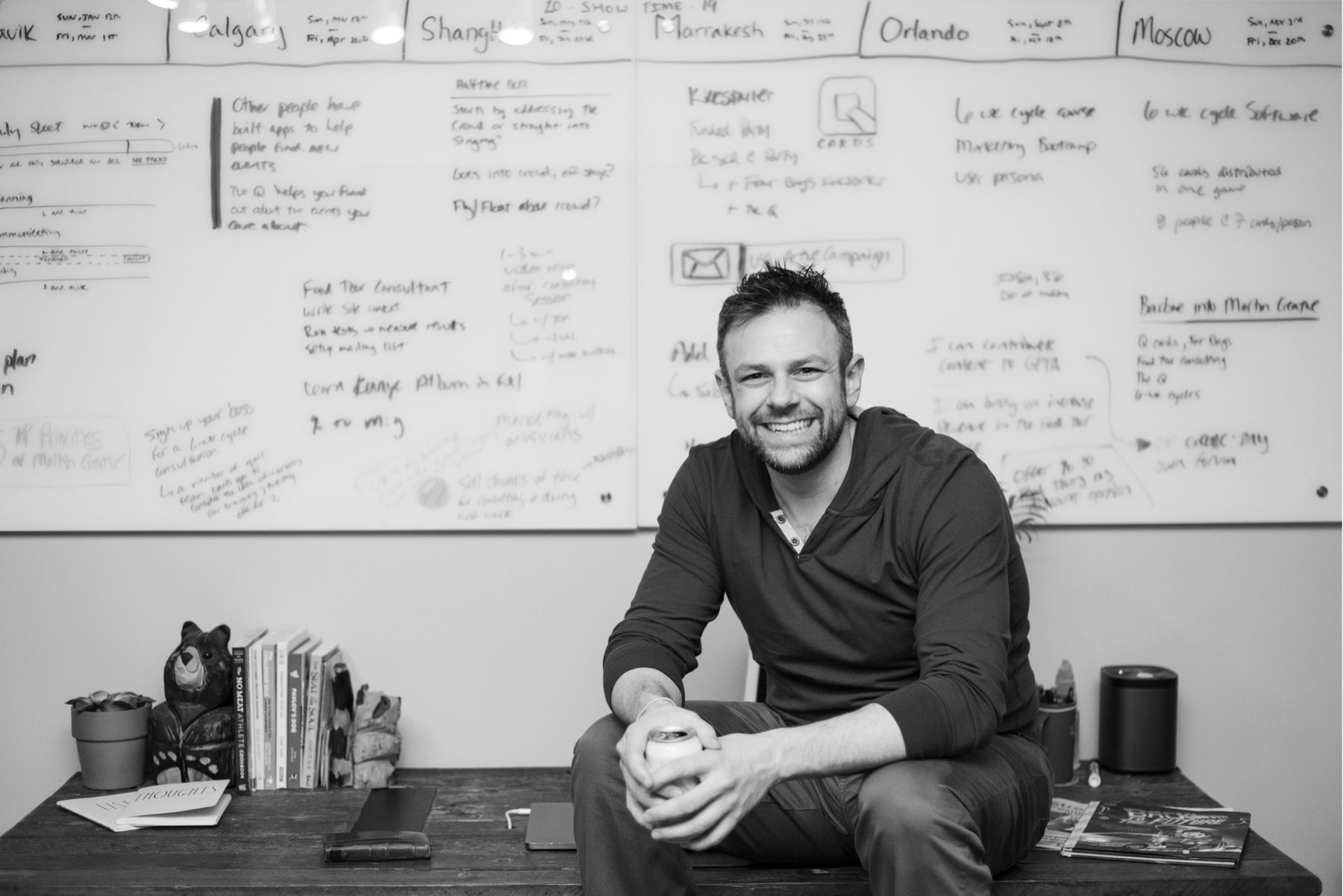
Six weeks of planned work. Two weeks to plan the next six. I'm Joe Martin, and I've run my companies this way since 2016. The whole method is on this site, for free.
Forty hours of "work" is not the same as forty hours of productivity. It never was.
We took Henry Ford's factory clock and dragged it into the knowledge economy. We started measuring people by whether they were in the seat, not by what the work was worth. Remote work only made the flaw impossible to ignore.
Six-week cycles are the correction I've been testing on my own life since 2016. Six weeks of focused, well-scoped work. Two weeks to rest, reflect, and plan the next one. Clear starts. Clear ends.
The idea isn't mine. I first heard it from Jason Fried at Basecamp, and it changed how I saw my whole calendar. What's mine is ten years of living it, across every business I've run and every relationship I care about, and everything that decade taught me about doing it well.
Tap for sound, or expand to watch it properly.
A cycle has a name, a start, and an end. You scope the work to fit the window, which kills scope creep and forces the hard prioritization most teams avoid all year.
Not a vacation you feel guilty about. A built-in cool-down to answer what piled up, recover, and plan. The rest is the point, not the reward.
A predictable rhythm the whole year bends around. Every cycle gets a name and a place. The calendar stops being a source of dread and starts being a plan.
Most of what has been written about six-week cycles is about shipping software. This is not that. This is how you run a business, and a life, on a rhythm that has a beginning and an end.
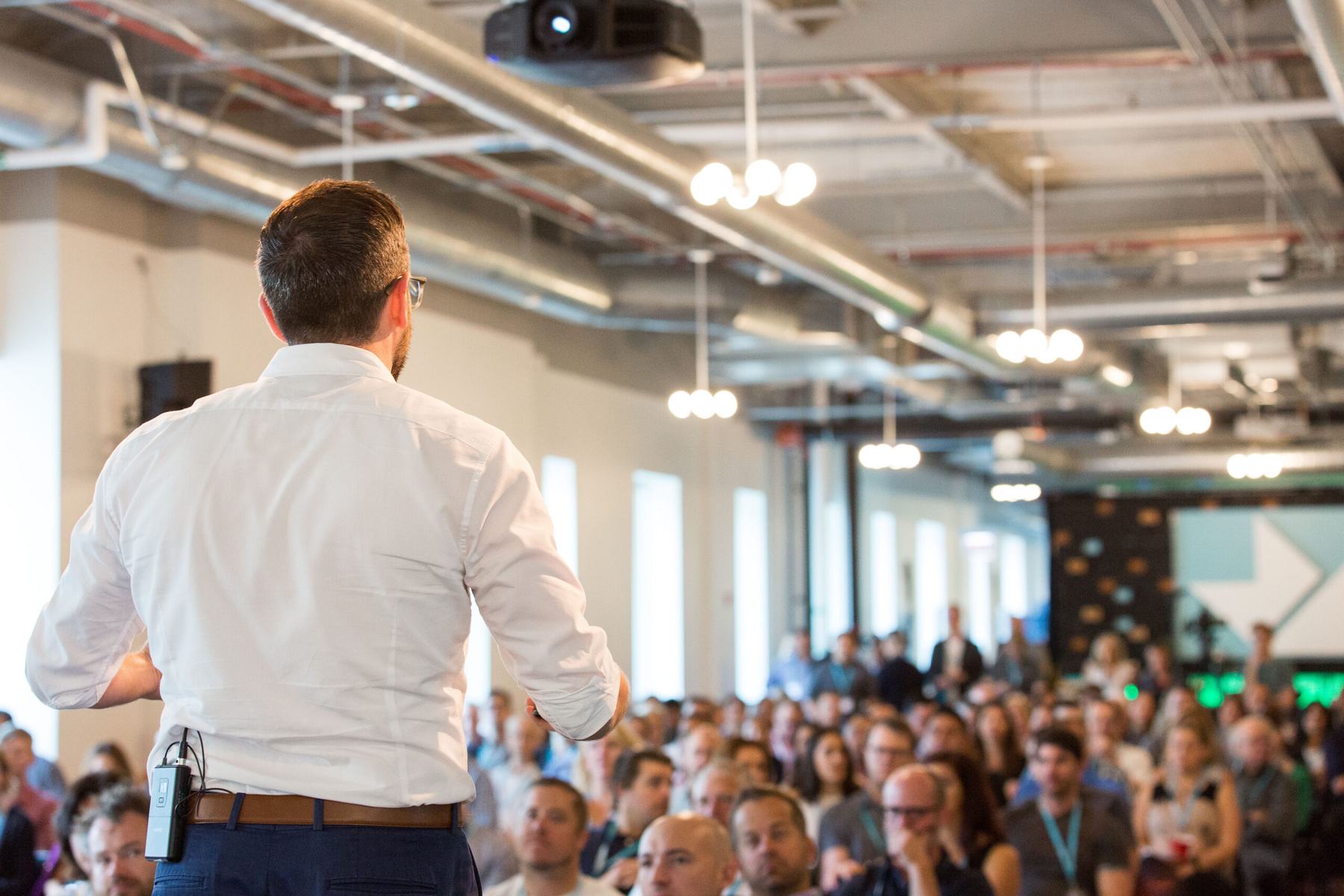
It started as a book. Since then I have taught it from stages, run it as webinars, and walked teams through it inside their own companies. All of it ends up in the same place, so I put the same place on this site and left it open.
Naming a cycle. Getting every task out of your head. Finding out how many hours you actually have. The two meetings that hold a week together. What to do when a cycle gets blown up in week one, which it will.
Read the methodWhat is in it
Reading the method is one thing. Sitting down on a Monday and actually planning the week is another, and that is where most people stall. So we do one together, at the start of a real week, on your real work.
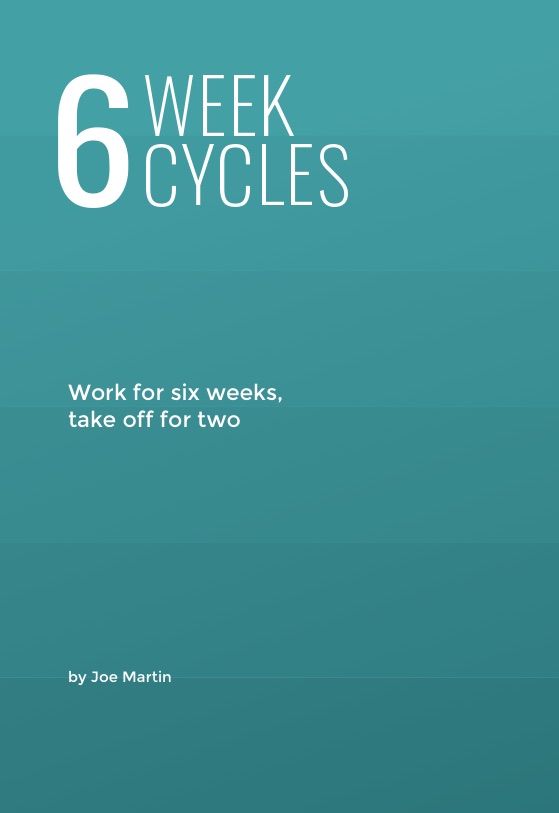
The original book. Ten chapters taking you through the entire process my team built over three years, from the first brain dump to the end-of-cycle celebration.
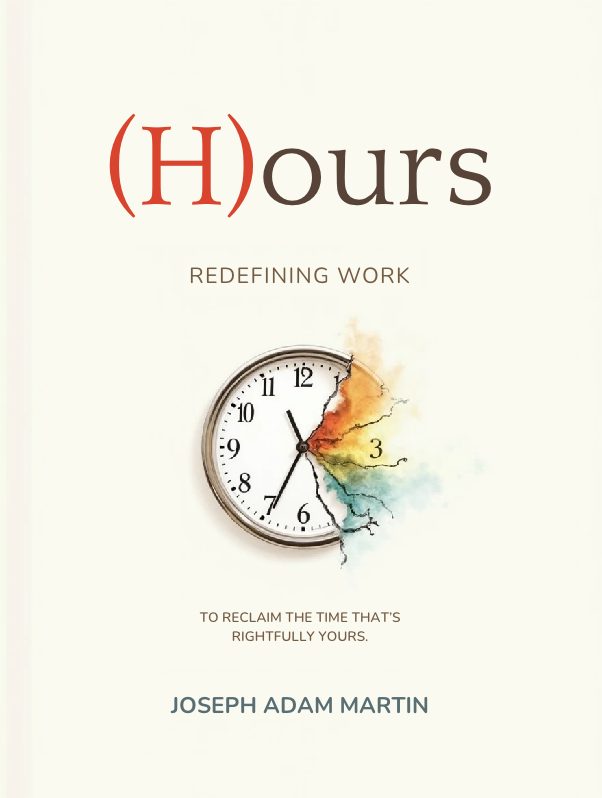
Ten years of living in cycles became a decade of notes on one stubborn question: where does the time actually go, and why do so few of us feel like it is ours?
Part research, part field manual, part argument for taking your one non-renewable resource back.
Members read the first chapter before anyone else.
Subscribe once and all six cycles show up in your calendar automatically, working weeks and breaks already blocked. It comes with the year, alongside the book and the templates.
"The email series is amazing. I feel like you're coaching me. At first I thought it was too bite-sized. After a week I was like, this is genius."
"This way of organizing gives me the constant opportunity to analyze what's working in the business, but also what's not working for me."
This talk isn't about cycles. It's about the idea underneath them: deciding who you want to be, and designing your future on purpose, before the calendar decides for you.
Tap for sound, or expand to watch it properly.