
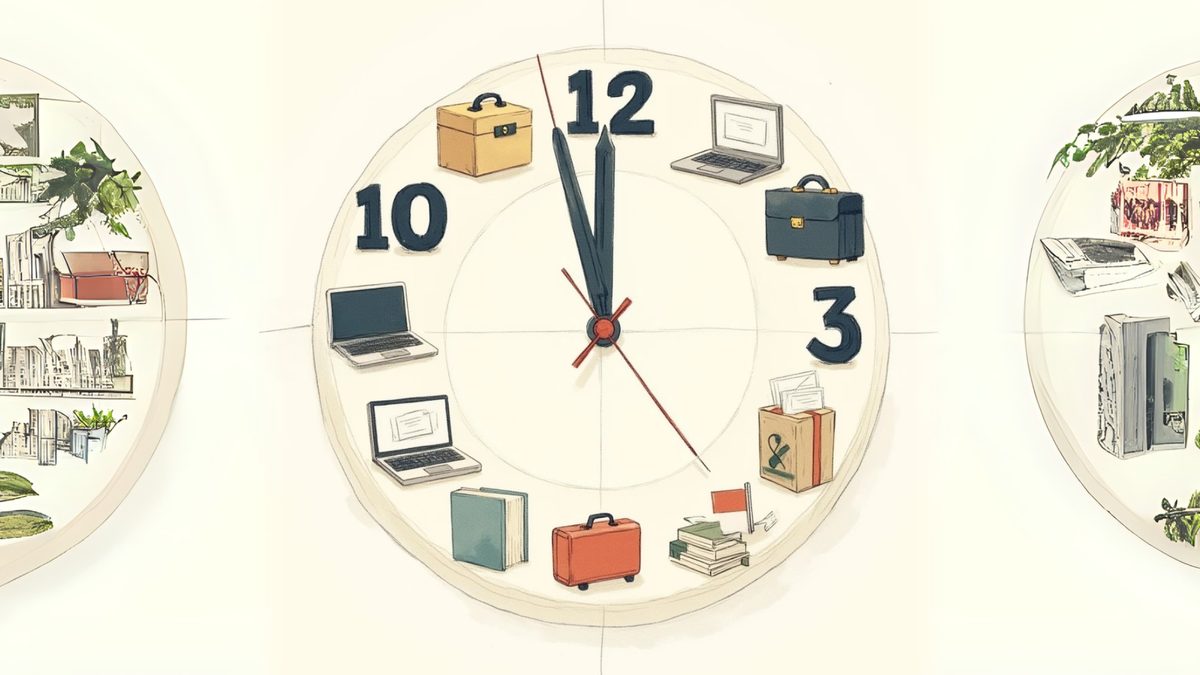
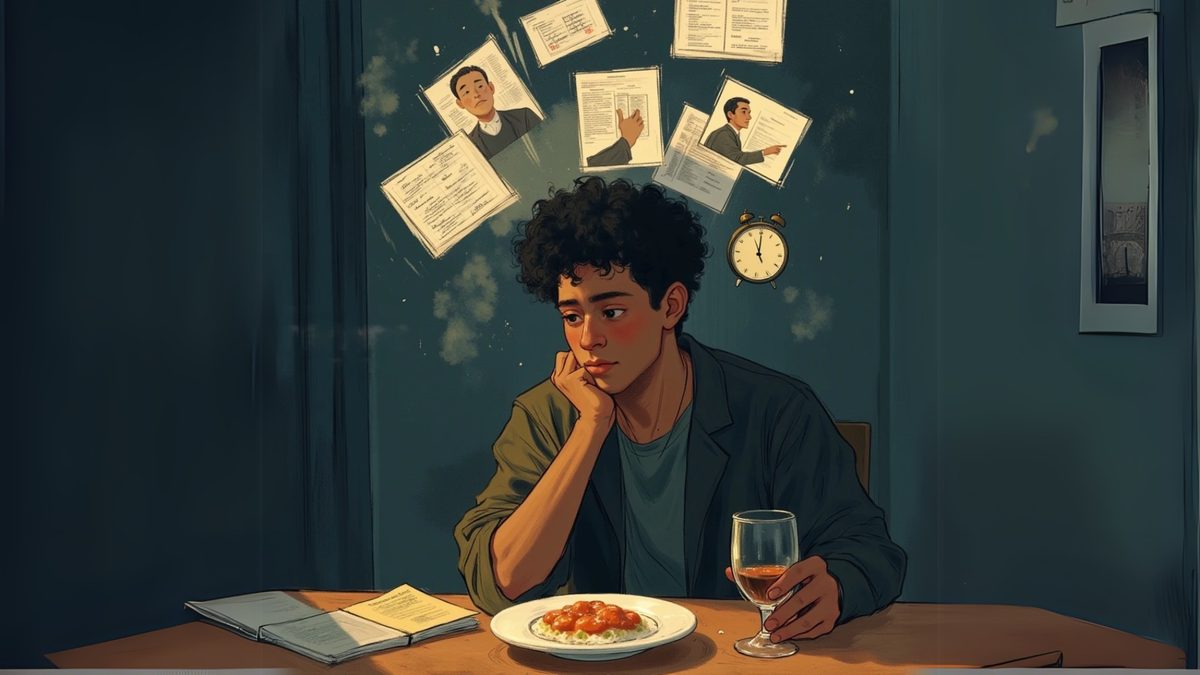
Ever catch yourself too busy to be present? At dinner, at the movies, out with friends, talking with your partner, or just trying to relax at home. Your mind wanders off from the moment, racing with worry.
And what are you agonizing about? Work. Of course.
What you did today, what you didn't do, the review that's coming, the client deadline, the project going sideways, the revenue that's down this quarter. On and on.
It seems like a small aside. But add up all those stolen moments and you get something more sinister: what if the world isn't broken because people don't care? What if it's broken, at least in part, because the people who might make a positive impact are too busy working (and worrying about it) to help?
Over the course of your life, you'll spend about a third of your waking hours at work. Roughly 90,000 hours. And much of that time, even for those in leadership, goes to support someone else's dream, goal, or quota.
Meanwhile, the things we would really like to spend time on, building a meaningful legacy, solving unfairness, helping others succeed, building a community that thrives, fall by the wayside. Because we're too busy. Because we're at work, even when we're not.
But what if the workday wasn't the obstacle? What if businesses redefined work as something that creates freedom instead of consuming it? If you're going to build a better future as a leader or owner, redefining work and how it affects the people in it isn't optional. It's a necessity.
What got us here won't get us there
We've come a long way from forced labor, but we still have a way to go in creating a world fueled by fulfilling labor.
Our relationship with work wasn't always this complicated. Communities were once built on shared effort. We traded fairly with one another, value for expertise, not seeking to take advantage but mutually benefiting. Then, as bullies and tyrants became enterprise and big business, the bottom line took priority, and extracting as much as possible from a person was just "good business."
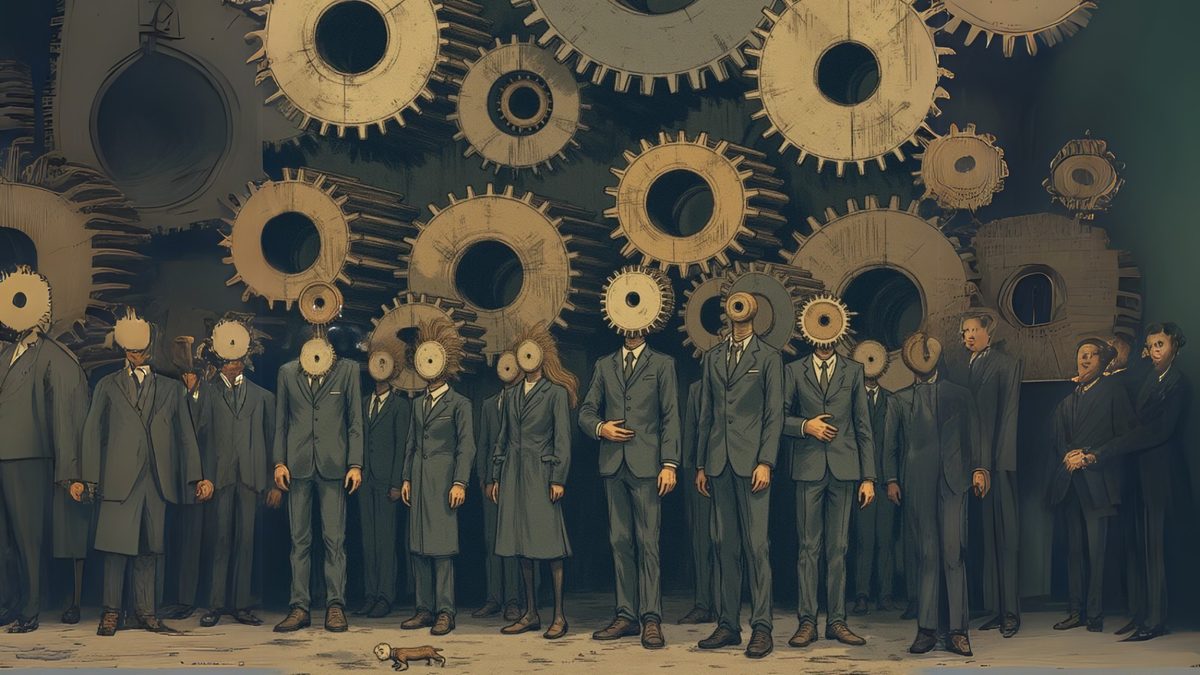
With enough time, that standard operating procedure became a barrier to progress. Today, many workers are too exhausted to volunteer, advocate, or even decide what they want for dinner. The constant pressure to produce has stripped good people of the freedom to create.
And creation is where all progress begins. Without it, we keep making the same thing, perpetuating the same broken system, over and over.
Businesses as architects of freedom
So where does that leave you, business owner, leader, maker of change? Start with a subversion of the current thinking:
The role of a business isn't just to generate profit. It's to build opportunity.
The best businesses don't hoard resources; they distribute them in ways that empower people to build better lives. That means prioritizing flexibility and growth over outdated models of control.
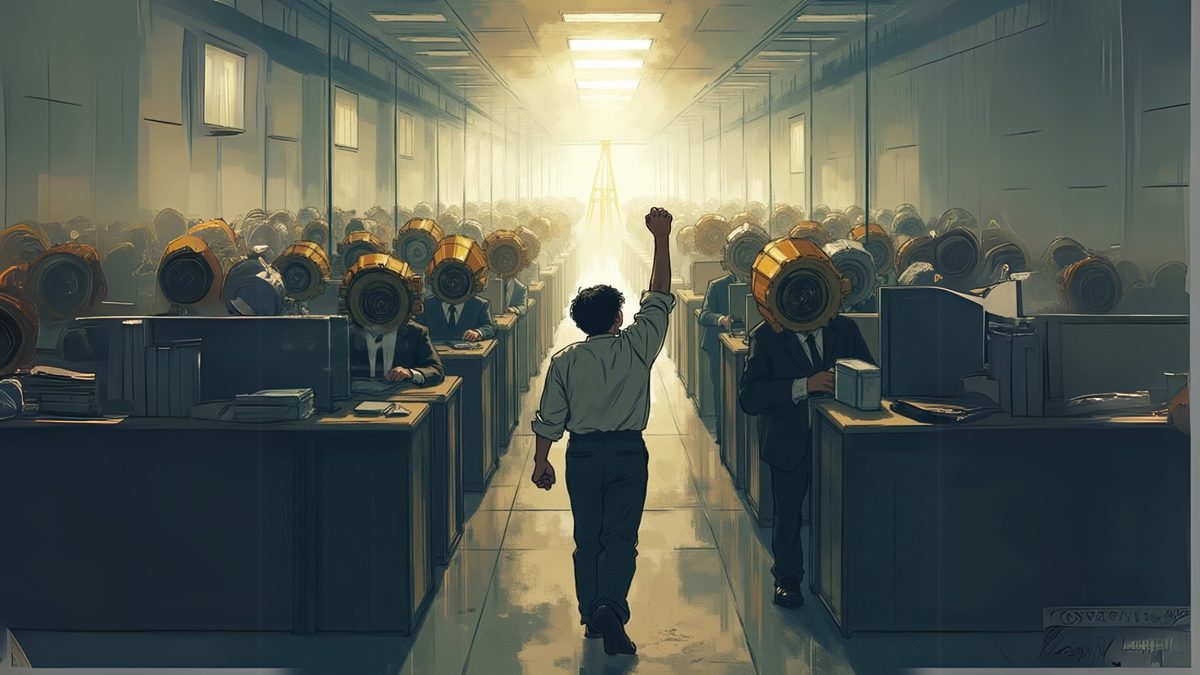
And the changes don't have to be revolutionary. Three of the most tangible ways to start:
Flexible schedules. Let people design their workdays to fit their lives, not the other way around. Ownership produces better work, so give people ownership over their schedules. Why companies resist it: it forces them to actually manage by results instead of "I see you in a seat, so I can control you." That is a lazy way to manage.
A clear purpose. Align business goals with values that put people over profit. Try this test on your decisions: if it isn't good for your employees, it isn't good for the business, and vice versa.
Community investment. Encourage people to spend time on local initiatives, and make some of those a company priority. An organization that believes in something bigger than itself gains workers who believe in it too.
These aren't radical ideas. They're the shifts that keep a business relevant in a world that wants more than financial gain.
The most valuable bonus
The most valuable thing a business can give people isn't some imaginary wage that barely covers their cost of living. Remember those 90,000 hours? If you want to be truly good to your people, the greatest gift you can give them back is time.
Give them as much of it back as you can. When people believe their time is theirs again, they spend it on what matters, and that includes you and the shared vision they feel a part of. They stop showing up just to survive. They show up to thrive.
Parents become more present at home. Neighbors have more time to help one another. Communities become stronger, more connected, and more resilient.
When we stop measuring success by "hours sitting at a desk" and start measuring it by impact made, we won't just redefine work. We'll redefine fulfillment for a whole generation.