

In the late summer of 2024, Denise Prudhomme clocked in at 7:00 AM on a Friday, like she had for most of her adult life. Soon after she started work, she passed away at her desk from heart failure.
It took four days for anyone to notice. She was found still sitting there. Her coworkers had assumed the smell coming from her end of the third floor was backed-up plumbing. Denise, dead at 60, alone and undiscovered at her desk for days.
It is a hard, undeniable reminder of how deeply work has consumed our lives.
The modern workday isn't simply a way to make a living anymore. It has become a system that traps people in cycles of stress and exhaustion, more survival than a wage. And it keeps us too busy for what actually matters: serving our communities, spending time with family, chasing our passions, or just reflecting on the kind of world we want to help build.
This work is holding us back from living.
Work is a choice, not a law of nature
Here is a good reminder: work is a choice. It is not some unchangeable, inevitable law of the universe.
Yet the system of employment has been designed to make people feel powerless, to convince them they exist to support someone else's vision instead of their own. The quiet message is that whoever you work for has a dream that matters, and yours, your goals, talents, and hopes, matters less.
At its most extreme, when you die in your cubicle, you die where the system believes you belong.
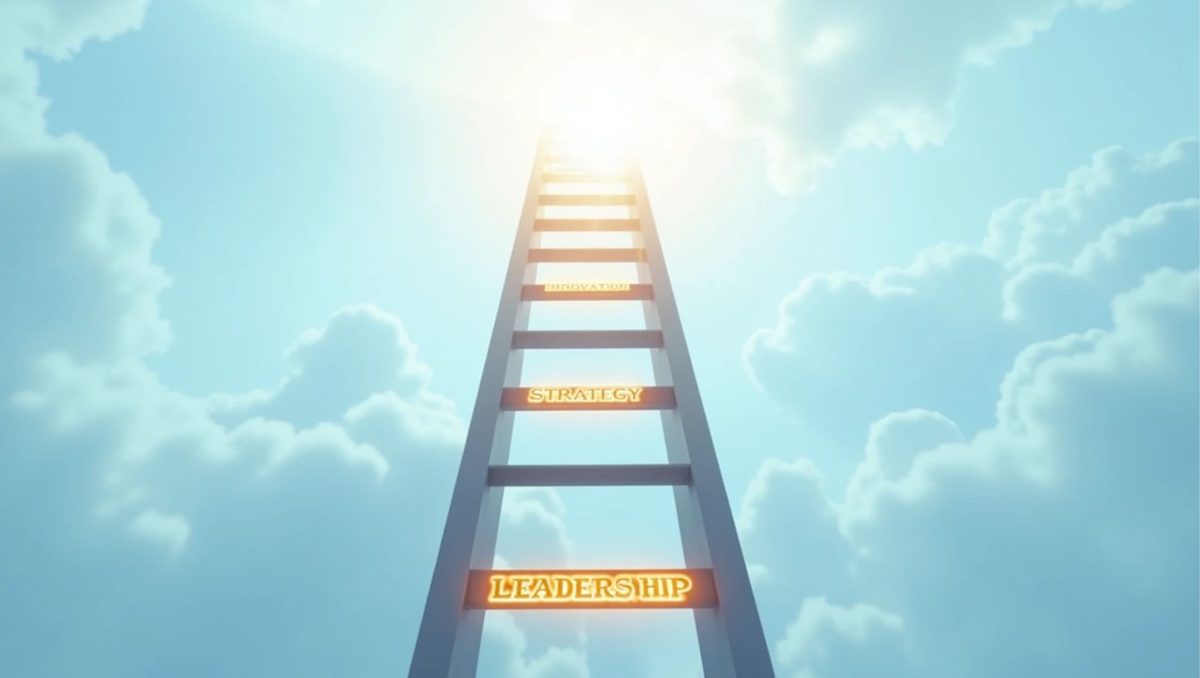
We're not powerless, we're distracted
You might be thinking, "We just need a better system. Better governance. Better protections for workers." But the world doesn't need more laws to improve people's lives at work. It needs businesses willing to rethink the workday and make intentional changes. Businesses focused less on extracting resources and more on helping people thrive, both inside and outside of work.
It needs leaders who recognize that safeguarding their people's wellbeing might be the surest way to run a business. Need proof?
A landmark 2019 Oxford University study found companies were 13% more productive when their employees were happy. And a 2024 Gallup study found that 9% of global GDP was lost because workers were unhappy or unengaged. That is about 8.9 trillion dollars.
Trillion. With a T.
We don't need to wait for governments to fix inequality or tell us that treating people with care and dignity produces better work. Owners who genuinely care, most of whom are probably reading this right now, already have the power to build environments where their people feel supported and valued.
Redefining success
Society didn't always look like this. Once, we traded what we had too much of, supporting one another through shared resources. But over time, businesses became engines for accumulating profit at the expense of anyone's wellbeing.
The thing about engines is they are built for the fuel that powers them. You can't just change the fuel, you have to change the engine itself to get a different result. The future of work can be one where businesses radiate outward into communities instead of pulling everything inward.
That is a new kind of engine. It is time to redefine work as something that enriches life, not something that drains it just to keep itself running.

What happens next
Einstein once said, "Either everything is a miracle, or nothing is a miracle." Seeing the world either way is a choice. And the way we structure the workday decides which version of life we experience, and which version of work our employees experience too.
Will they come to know work as an unavoidable burden, or a tool to create something better? If we stop viewing work as a sacrifice and start treating it as an opportunity to give people more time and freedom, we can unlock incredible potential. Because time, not money, might be the most powerful thing we can give back.
So here is the first challenge: what small change can you make in your work, or your business, to create more time, freedom, and possibility, for yourself and the people around you?
And with that one small change, let the revolution begin.