
Here is the whole idea, up front, so you can steal it today:
Once a week, your team gets quiet for two minutes and writes down what went well. Then everyone shares. You get quiet again for two minutes and write down what didn't go well. Then everyone shares.
That's it. That's the check-out meeting.
No slides. No prep. No status updates. Just a standing, weekly moment for your team to reflect together, out loud.
I've run this meeting for years, and it became the single most valuable thing on our calendar. Not because of what got solved in the room, but because of what people finally said.
Where it came from
I have my friend Angela Vitzthum to thank for this one. She told me about the idea years ago, back when I was figuring out how to keep a fully remote team connected.
I'll be honest: I use it as part of running six-week work cycles. But you don't need any of that to start. You just need your team, a timer, and a half hour on a Friday.
What actually happens in the room
Pick someone to run it. That's usually you.
Round one, what went well. The leader sets a timer for two minutes. Everyone writes down the wins from their week, work and personal. A piece of software that finally behaved. A good moment with a client or your manager. Something nice that happened in your life. They don't have to be monumental; small counts. When the timer is up, you go around, one person at a time, and each person reads their list to the group. I always push everyone to include at least one personal win.
Round two, what didn't go well. Reset the timer for two minutes. Now everyone writes down what didn't go well that week, again, work or personal. For a few people on my team, this was their favorite part: the chance to vent about whatever annoyed them that week. Same format: go around, one at a time, and share.
Then, as a group, you talk about what needs to change to lessen or prevent those annoyances from coming up again.
Keep the group small, five people max. When we had five, our check-out meeting ran about 90 minutes as we got more comfortable and honest with each other. A smaller team can do it in twenty.
Why the "didn't go well" part is the magic
Here is the shift I didn't expect.
When you put the right people in a room and give them two quiet minutes to name what didn't go well, you don't get a vague, meandering discussion. You get something specific.
And when it's specific, someone else in the room can actually help.
Instead of "how's everyone doing this week," you hear, "I got stuck all afternoon on this." And more often than you'd think, the person next to you says, "Oh, I've dealt with that. Here's what worked." That doesn't happen in a general check-in. It happens because everyone took a beat to reflect and say the real thing.
Who this is for (and why it works)
This is for any leader managing people they can't see every day, and who wants to actually know how those people are doing.
Three things it gives you:
You hear what matters. I don't always need a project update. Sometimes I just need to know how my fellow humans are doing in life. This meeting tells me.
Your team gets to celebrate. Recognition goes so incredibly far. Reading your wins out loud, and having the group hear them, is a small thing that carries someone through the next week.
People get to vent, and then let it go. Sometimes folks just need to get it out, be heard, and move on. A check-out meeting gives them the time and place, so they head into the weekend lighter and come back Monday ready to go.
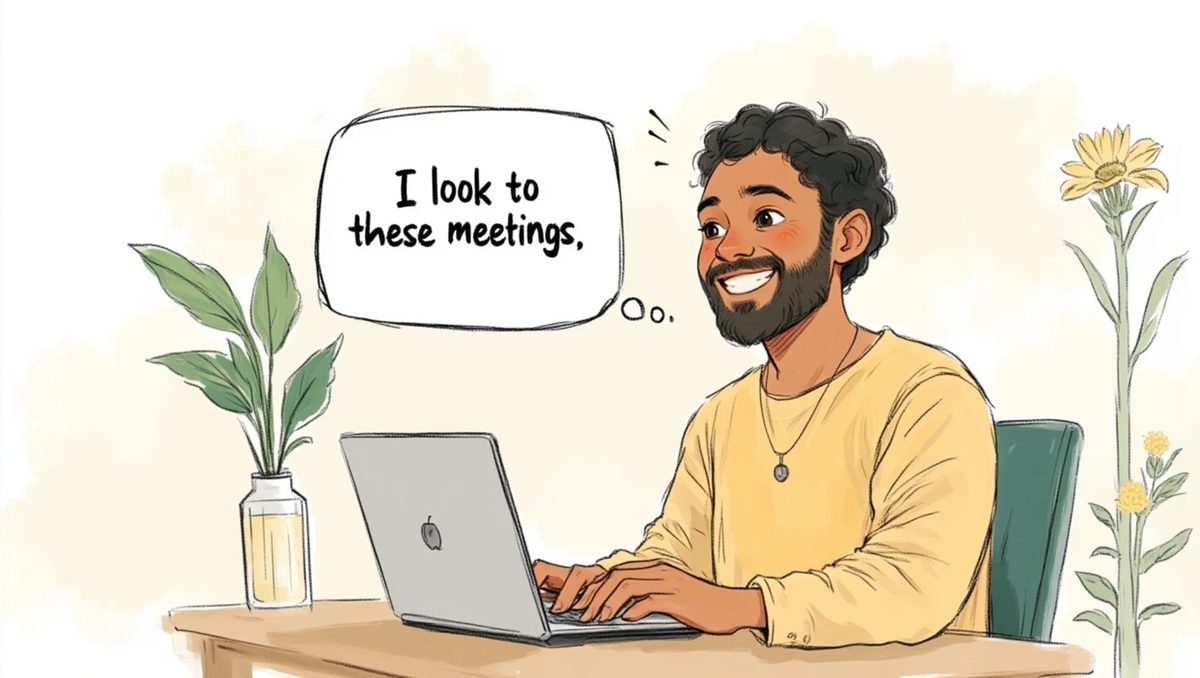
We had a teammate in South Africa I'd never met in person. One day he said, "I look forward to these meetings, which isn't something people normally say."
That's the whole point.
For leaders
Lead by example. If you care about your team, you have to go first.
Share your own wins. Share your own misses. When you name the thing that didn't go well for you this week, you give everyone else permission to do the same. That's when it stops being a routine and starts building trust.
The check-out meeting, in five lines
- Two minutes of silence: write down what went well this week (work and personal).
- Go around the room; each person shares.
- Two minutes of silence: write down what didn't go well (work and personal).
- Go around the room; each person shares.
- As a group, discuss what to change to prevent those annoyances next week.
Try it this Friday. With the right people in the room, it'll help you all take time to reflect, and give someone the chance to help with the thing that didn't go well.